Key Takeaways
- Ozempic, used mainly for type 2 diabetes and weight loss, may indirectly improve fertility by enhancing insulin sensitivity, especially beneficial for those with PCOS.
- Its direct effects on fertility and safety during IVF treatments are not well-documented, making it not FDA-approved for fertility enhancement.
- Consulting with healthcare providers is crucial for anyone considering Ozempic for fertility to understand its potential benefits and risks thoroughly.
- Alternatives like lifestyle modifications and metformin are safer for weight management when planning for fertility.
- Long-acting reversible contraceptives are recommended with Ozempic use due to their effectiveness and minimal drug interactions.
Ozempic (semaglutide) is widely used for managing type 2 diabetes and aiding in weight loss. However, its implications on fertility and birth control require further exploration. There is some indication that Ozempic might affect hormonal balance and menstrual cycles, which could potentially influence fertility, though conclusive human studies are lacking.
The effects of Ozempic on birth control, particularly hormonal contraceptives, are also not well-documented. No direct interactions have been proven, but the medication's common gastrointestinal side effects could theoretically impact the absorption of oral contraceptives.
Given these uncertainties, women using Ozempic who are concerned about fertility or the effectiveness of oral contraceptives should consult their healthcare provider. Adjustments to their medication or birth control methods may be necessary based on individual health conditions and side effects experienced.
Does Ozempic Affect Fertility?
While ongoing research hasn't established a direct link between the medication and fertility issues, Ozempic's regulation of blood sugar—especially in individuals with PCOS—could promote a more regular menstrual cycle, enhancing ovulation and conception. Additionally, the weight loss associated with Ozempic may indirectly support fertility by addressing hormonal imbalances caused by obesity. Thus, healthy weight loss through Ozempic, if managed effectively, could potentially enhance the chances of pregnancy. However, it's crucial to recognize that overly rapid weight loss may have adverse effects.
Related reading: How to Test for PCOS Online
Ozempic’s Effect on Fertility in Women with PCOS
For women with PCOS, glucagon-like peptide-1 receptor antagonists (GLP-1 RAs), like Ozempic, may enhance fertility by improving insulin sensitivity and promoting weight loss. These changes help restore regular ovulation and can improve hormonal balance, increasing luteinizing hormone (LH) levels and potentially regulating follicle-stimulating hormone (FSH) levels, which are crucial for ovulation. However, Ozempic is not FDA-approved specifically for enhancing fertility, making professional guidance essential.
Ozempic’s Effect on Male Fertility and Testosterone Levels
The effects of Ozempic on male fertility are less clear but potentially beneficial due to its metabolic improvements. These may boost testosterone levels in case of obesity-associated hypogonadism, important for sperm health and overall fertility. However, direct impacts on sperm health or testosterone are not well-documented, and any changes might primarily stem from improved metabolic health rather than direct effects on reproductive hormones.
Related reading: Where to Buy Clomid Online?

Does Ozempic Affect Birth Control?
Currently, there are no well-documented interactions between Ozempic (semaglutide) and hormonal birth control methods. The effectiveness of birth control does not appear to depend on the type of semaglutide used either.
However, semaglutide like Ozempic and Wegovy can delay gastric emptying, which may prevent the body from fully absorbing the hormones in birth control pills. This potential issue is part of the broader considerations indicated on their label, which includes a "reproductive potential" warning, emphasizing the need for caution due to unknown effects on fertility and reproductive outcomes.
Given the potential for reduced hormone absorption and limited research on the interactions between GLP-1 receptor agonists and contraceptives, it is advisable to use additional protection or consider long-acting reversible contraceptives (LARC) such as IUDs or implants. These methods minimize the risk of unintended pregnancy, particularly important when using medications with less understood reproductive implications.
Can Ozempic cause false positive pregnancy tests?
No, Ozempic does not cause false positive pregnancy tests. Pregnancy tests measure hCG (human chorionic gonadotropin) levels, and there is no evidence that Ozempic influences hCG levels.
Pre-conception Considerations
Regarding GLP-1 receptor agonists while trying to conceive, it is generally recommended to discuss potential risks and benefits with a healthcare provider. The decision on whether to continue Ozempic when trying to conceive should be individualized based on the patient's metabolic needs and overall health. If a decision is made to discontinue Ozempic, it's important to note that semaglutide has a half-life of about a week, meaning it could take around 5-6 weeks to be mostly cleared from the body. This clearance time should be considered in preconception planning to ensure the drug's effects have diminished before conception.
Ozempic During Pregnancy
The FDA advises caution regarding the use of Ozempic during pregnancy, as animal studies have indicated potential adverse effects on fetal development. While there is limited data from human studies, the decision to use the medication during pregnancy should be carefully considered, weighing potential benefits against possible risks.
If a patient becomes pregnant while using Ozempic, they should consult their healthcare provider immediately to assess the need to discontinue the medication and to discuss alternative treatments.
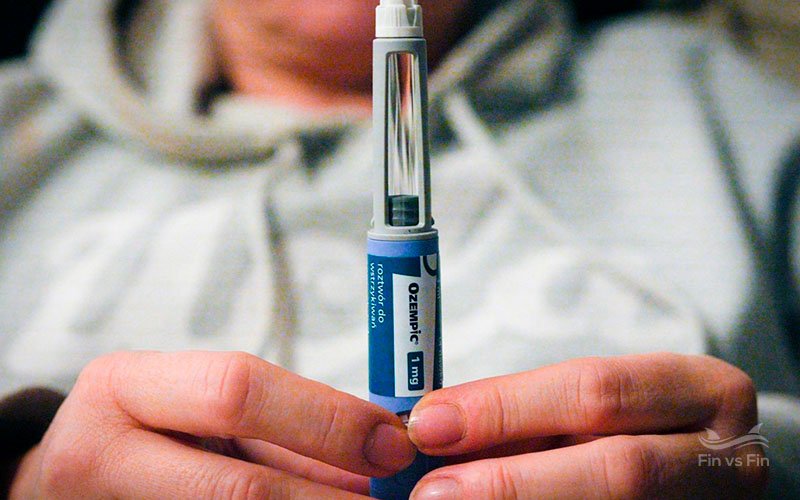
Role of Ozempic During IVF Treatments
Ozempic may play a supportive role during IVF (in vitro fertilization) treatments, particularly for women with PCOS or those who struggle with insulin resistance and obesity—conditions that can affect fertility. By improving insulin sensitivity and promoting weight loss, Ozempic can help in optimizing the hormonal environment, which is crucial for the success of IVF treatments. Improved metabolic health might enhance the quality of eggs and the endometrial environment, potentially increasing the chances of successful implantation and pregnancy.
However, the safety of Ozempic specifically during IVF treatments has not been extensively studied, and its use is not FDA-approved for this purpose. The lack of direct evidence necessitates careful consideration and thorough consultation with healthcare providers. Women undergoing IVF should discuss the potential risks and benefits of using any GLP-1 receptor agonist with their fertility specialist to ensure an informed decision that aligns with their overall treatment plan and health status.
Weight Management Alternatives for Fertility Enhancement
When planning for pregnancy, there are safer alternatives to Ozempic for managing weight that do not involve the use of GLP-1 receptor agonists. Lifestyle modifications, including a balanced diet and regular physical activity, are foundational and carry no risks associated with drug therapy. Additionally, working with a nutritionist can help tailor dietary plans to individual needs, enhancing fertility without compromising health.
For those requiring additional support, medications such as metformin are often recommended, especially for women with PCOS, as they can improve insulin sensitivity without the risks linked to newer drugs like Ozempic. Always consult a healthcare provider to choose the safest and most effective approach for weight management during fertility treatment.
Conclusion
Ozempic, primarily used for managing type 2 diabetes, may have indirect effects on fertility due to its role in improving insulin sensitivity and aiding in weight loss. Particularly in women with PCOS, Ozempic can enhance fertility outcomes by promoting hormonal balance and regular ovulation, although it is not FDA-approved for fertility enhancement. Men may also see benefits related to improved metabolic health, though direct effects on sperm health and testosterone levels are less clear.
When planning for pregnancy, especially during treatments like IVF, the use of Ozempic requires careful consideration due to limited studies on its safety in these contexts. Alternatives such as lifestyle changes and other medications like metformin offer safer approaches for managing weight and enhancing fertility. It is crucial for individuals considering Ozempic for fertility-related issues to consult with healthcare providers to navigate the benefits and risks effectively and to ensure any treatment aligns with their overall health and fertility goals.
Frequently Asked Questions (FAQs)
Which diabetes medication increases fertility?
Metformin is often used to increase fertility, especially in women with PCOS, as it improves insulin resistance and can help restore normal menstrual cycles and ovulation.
Can Ozempic affect the menstrual cycle?
Yes, Ozempic can affect the menstrual cycle, particularly by influencing weight and insulin levels, which can indirectly impact hormonal balance and menstrual regularity.
Can Ozempic help you ovulate?
Ozempic may help induce ovulation in women with insulin resistance, such as those with PCOS, by improving insulin sensitivity and promoting weight loss.
How do I get Ozempic for PCOS?
Ozempic must be prescribed by a healthcare provider. Discuss your symptoms and treatment goals with your doctor to determine if Ozempic is appropriate for your PCOS management.
What is the best birth control with Ozempic?
There are no specific restrictions on birth control types with Ozempic; however, long-acting reversible contraceptives (LARC), like IUDs or implants, are often recommended for their efficacy and minimal interaction with other medications.