Key Takeaways
- Stress can lead to hair loss conditions like telogen effluvium and alopecia areata, affecting the hair growth cycle.
- Managing stress through mindfulness, exercise, and proper sleep is crucial for halting and reversing hair loss.
- A diet rich in vitamins A, C, D, E, and biotin, along with supplements like zinc and iron, supports hair regrowth.
- Using mild hair products, scalp massages, and avoiding heat and chemical treatments can protect and promote healthy hair.
- Treatments range from topical solutions like minoxidil to natural remedies like essential oils and herbs, with medical options available for severe cases.
Stress is an inevitable part of life, but when it becomes overwhelming, it can take a toll on your body in unexpected ways, including causing hair loss. Whether it's due to a major life event, work pressure, or ongoing anxiety, stress can disrupt the natural hair growth cycle, leading to thinning or shedding that can be distressing.
Fortunately, hair loss from stress is often reversible with the right approach. By understanding the connection between stress and hair health, and adopting effective strategies to manage stress and support hair regrowth, you can restore your hair's strength and vitality.

Understanding Stress-Induced Hair Loss
Stress is a common factor that can significantly impact our physical health, including the health of our hair. When stress levels rise, it can disrupt the natural hair growth cycle, leading to noticeable hair loss.
What is Stress-Induced Hair Loss?
Stress-induced hair loss can manifest in several forms, the most common being:
- Telogen Effluvium: This condition occurs when significant stress pushes a large number of hair follicles into the resting (telogen) phase. After a few months, affected hairs may suddenly start to fall out when combing or washing your hair, resulting in noticeable thinning.
- Alopecia Areata: This autoimmune condition can be triggered by severe stress, leading to sudden, patchy hair loss. The immune system mistakenly attacks the hair follicles, causing hair to fall out in small, round patches.
- Trichotillomania: Unlike the other conditions, trichotillomania is a behavioral disorder where stress or anxiety leads individuals to pull out their own hair, often unconsciously. This can result in noticeable hair loss and damage to the hair follicles.
How Stress Affects Hair Growth
Stress affects hair growth through complex biological processes involving stress hormones, primarily cortisol. Here’s how:
- Cortisol and Hair Follicles: When your body experiences stress, it releases cortisol, a hormone that disrupts the normal hair growth cycle. Cortisol affects the dermal papilla cells, which play a critical role in hair follicle development and cycling.
- Hair Growth Cycle Disruption: The hair growth cycle consists of three main phases: anagen (growth), catagen (transitional), and telogen (resting). High levels of stress can prematurely push hair from the anagen phase into the telogen phase, resulting in telogen effluvium, where hair is shed more rapidly.
- Immune System Response: In the case of alopecia areata, stress can provoke an autoimmune response, where the body's immune system attacks hair follicles, leading to patchy hair loss.
- Behavioral Impact: Stress can also lead to trichotillomania, a compulsive urge to pull out hair, resulting in direct physical damage to the follicles.
Identifying the Signs
Recognizing the signs of stress-induced hair loss can help you address the issue early. Common symptoms and patterns include:
- Diffuse Thinning: In telogen effluvium, hair loss is typically diffuse, meaning it’s spread evenly across the scalp rather than localized to specific areas.
- Patchy Bald Spots: Alopecia areata often presents as small, round bald spots that may appear suddenly, primarily on the scalp but can also affect the eyebrows, beard, or other body hair.
- Unconscious Hair Pulling: Trichotillomania is characterized by noticeable hair loss due to repetitive hair-pulling, often from the scalp, eyebrows, or eyelashes. People with this condition may feel compelled to pull out their hair in response to stress or anxiety.
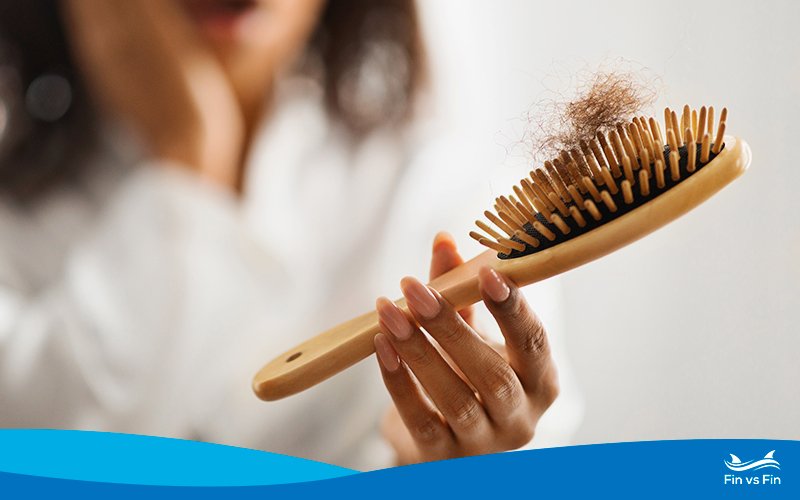
- Hair in the Shower or Brush: An increased amount of hair shedding, especially noticed when washing or brushing, can be a sign of telogen effluvium.
- Sudden Hair Loss: Rapid or sudden hair loss following a stressful event is a key indicator of stress-induced hair loss.
How to Regain Hair Loss from Stress
Regaining or reversing hair lost due to stress involves a holistic approach that targets the root causes and promotes healthy hair growth. Here’s how you can effectively restore your hair by managing stress, supporting your body nutritionally, and adopting a gentle hair care routine.
1. Stress Management Techniques
Managing stress is crucial for halting and reversing stress-induced hair loss. Techniques like mindfulness and meditation can play a significant role in reducing stress levels. Regular practice of mindfulness helps calm the mind, lower cortisol levels, and create a more balanced environment for hair regrowth.
Physical exercise is another powerful tool in managing stress. Engaging in regular physical activity not only helps reduce stress hormones but also improves blood circulation, delivering more nutrients and oxygen to the hair follicles, which can promote regrowth.
Adequate sleep is essential for overall health, including hair restoration. Sleep allows your body to repair itself and maintain the hormonal balance necessary for healthy hair growth. Prioritizing quality sleep can make a noticeable difference in the recovery of hair loss due to stress.
2. Nutritional Support
Your diet plays a vital role in hair health. Consuming a diet rich in hair-boosting nutrients like vitamins A, C, D, E, and biotin can significantly improve hair strength and growth. Foods such as leafy greens, nuts, eggs, and fatty fish provide these essential nutrients that support the hair growth cycle.
Related reading: Collagen vs. Biotin vs. Keratin: Understanding the Differences for Hair Loss and Regrowth
In addition to a nutritious diet, supplements can be beneficial, especially if your diet lacks certain key nutrients. Supplements like biotin, zinc, and iron are known to support hair health and can help fill in any nutritional gaps that might be contributing to hair loss.
3. Hair Care Routine
Adopting a gentle hair care routine is crucial for preventing further damage and encouraging regrowth. Opt for hair care products that are free of harsh chemicals and sulfates, as these can strip the hair of its natural oils, leading to dryness and breakage. Shampoos and conditioners formulated with natural ingredients can help maintain a healthy scalp and strong hair.
Incorporating scalp massages into your routine can also promote hair regrowth by stimulating blood flow to the scalp. This increased circulation helps nourish the hair follicles and can improve hair density over time.
Avoiding excessive heat and chemical treatments is another important aspect of hair care. Frequent use of styling tools like straighteners and curlers, as well as chemical treatments like coloring and perming, can weaken the hair shaft and exacerbate hair loss. Minimizing the use of these treatments can help preserve your hair’s integrity and support regrowth efforts.
Medical Treatments for Severe Hair Loss
When stress-induced hair loss becomes severe, medical treatments may be necessary to help restore hair density and prevent further loss.
4. Topical Treatments
Topical treatments are often the first line of defense against hair loss. Minoxidil is a widely used over-the-counter treatment that promotes hair regrowth by increasing blood flow to the scalp and revitalizing shrunken hair follicles. It’s available in various strengths and can be applied directly to the scalp to stimulate hair growth in both men and women. Other scalp treatments may include products containing ingredients like ketoconazole or caffeine, which can also support hair health and growth by reducing inflammation and blocking the effects of certain hormones on the hair follicles.
5. Prescription Medications
In cases where topical treatments are not sufficient, prescription medications might be recommended. Finasteride, commonly known by its brand name Propecia, is an oral medication that reduces the production of dihydrotestosterone (DHT), a hormone linked to hair loss. By lowering DHT levels, finasteride can help halt hair loss and, in some cases, promote regrowth.
Spironolactone is another prescription option, particularly for women. It works as an anti-androgen, blocking the effects of male hormones that can contribute to hair loss. This medication is often prescribed for women experiencing hair thinning related to hormonal imbalances or conditions like polycystic ovary syndrome (PCOS).
Related reading: Spironolactone vs. Finasteride For Female Hair Loss: Which Is Right For You?
Natural Remedies for Hair Regrowth
For those looking to restore hair naturally, several remedies harness the power of essential oils and herbal treatments to promote hair regrowth. These options can complement other treatments or serve as standalone solutions for mild to moderate hair loss.
6. Essential Oils
Essential oils have been used for centuries to support hair health and stimulate growth. Rosemary oil is particularly known for its ability to improve circulation in the scalp, which can help hair follicles receive more nutrients and oxygen. Regular application of rosemary oil, often diluted with a carrier oil like coconut or jojoba, can encourage hair growth and reduce hair thinning.
Peppermint oil is another effective option, known for its cooling and invigorating properties. It helps to increase blood flow to the scalp and can also promote hair growth when massaged into the scalp. The menthol in peppermint oil may also have a soothing effect on irritated or inflamed scalps, which can further support a healthy environment for hair regrowth.
7. Herbal Treatments
Herbal treatments offer natural solutions that can be easily integrated into your hair care routine. Ginseng is a popular herb in traditional medicine, known for its ability to boost hair growth by stimulating hair follicles. Ginsenosides, the active compounds in ginseng, are believed to strengthen hair roots and encourage regrowth.
Saw palmetto is another herb often used to combat hair loss, particularly in men. It works by blocking the conversion of testosterone to dihydrotestosterone (DHT), a hormone that can shrink hair follicles and contribute to hair loss. Incorporating saw palmetto supplements or topical products into your routine can help reduce hair thinning.
Green tea is rich in antioxidants, particularly epigallocatechin gallate (EGCG), which can support hair health and promote regrowth. Applying green tea extract to the scalp or drinking it regularly may help reduce hair loss and improve overall hair quality by fighting oxidative stress and protecting hair follicles.
Conclusion
Regaining hair loss due to stress requires a comprehensive approach that includes managing stress, supporting your body with the right nutrients, adopting a gentle hair care routine, and considering medical or natural treatments if necessary. By understanding the underlying causes and taking proactive steps, you can restore your hair’s health and vitality.
Frequently Asked Questions (FAQs)
How long does it take to regrow hair lost from stress?
Hair regrowth from stress can begin within 3 to 6 months, but full recovery may take up to a year depending on the severity.
Can hair loss from stress be permanent?
Stress-induced hair loss is typically temporary, but if stress is chronic or untreated, it can potentially lead to permanent thinning.
What vitamins are best for hair regrowth?
Vitamins A, C, D, E, and biotin are essential for supporting healthy hair growth.
Does reducing stress alone regrow hair?
Reducing stress can significantly improve hair regrowth, but it may need to be combined with other treatments for the best results.