Key Takeaways
- Collagen supports hair structure and scalp health, while keratin repairs hair strands and enhances hair smoothness and shine. Biotin enhances keratin production for stronger, thicker hair.
- For improving scalp health and reducing hair thinning/breakage: Collagen; for addressing biotin deficiency or temporary hair shedding: Biotin; for enhancing hair smoothness and protecting against damage: Keratin.
- The effectiveness of these supplements varies for genetic and autoimmune hair loss. Consistent supplementation is key for Collagen and Biotin, while Keratin treatments should be used as recommended to avoid overuse.
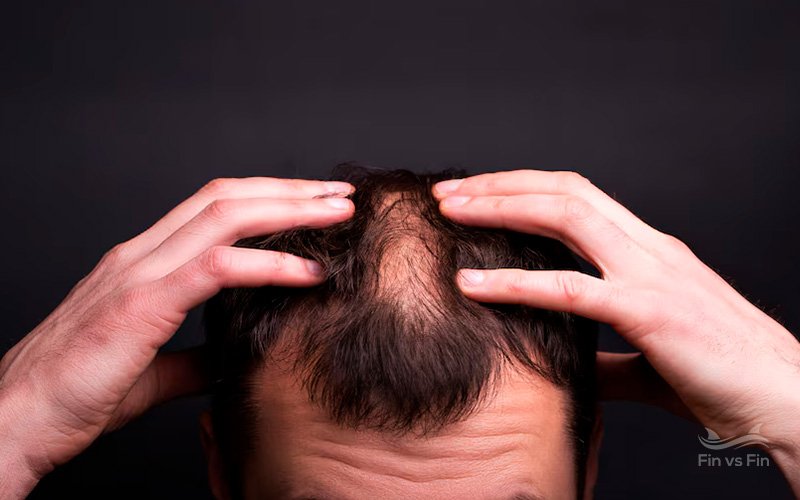
Hair loss is a widespread issue, prompting many to seek effective treatments to enhance hair health and regrowth. Among the popular supplements are Collagen, Biotin, and Keratin, each offering unique benefits. Collagen supports hair structure and scalp health, Biotin (Vitamin B7) promotes hair growth and thickness, and Keratin enhances hair strength and shine.
This article provides a concise comparison of Collagen, Biotin, and Keratin, exploring their mechanisms, effectiveness for different hair loss types, scientific backing, usage guidelines, potential side effects, and user experiences. By understanding these aspects, you'll be better equipped to choose the right supplement for your hair loss and regrowth needs.
Overview of Each Supplement
Hair loss can occur due to various reasons, including androgenetic alopecia (genetic hair loss), telogen effluvium (temporary hair shedding), and alopecia areata (autoimmune hair loss). Factors such as genetics, hormonal changes, stress, and poor nutrition can all contribute to hair loss, making it essential to address these underlying causes. Below, we compare the roles and benefits of collagen, biotin, and keratin in supporting hair health.
Related reading: Wellbel vs. Nutrafol vs. Viviscal – Which Works Best for Women’s Hair Loss?
Collagen vs. Biotin
Collagen and biotin, though both champions of hair health, serve different roles in our body’s symphony of nutrients. Collagen is a structural protein vital for maintaining the skin and hair structure, providing the necessary amino acids for hair growth, and strengthening the scalp and hair follicles. Natural sources include bone broth, chicken, and fish.
Biotin, also known as Vitamin B7, is renowned for its role in energy conversion and keratin production. It supports various metabolic processes and promotes hair growth, improving hair strength and thickness, particularly in those with a biotin deficiency, which is found in 38% of women complaining of hair loss. Natural sources of biotin include eggs, nuts, seeds, and leafy greens.
For those experiencing hair loss due to nutritional deficiencies or stress, biotin may be particularly beneficial. On the other hand, collagen can enhance scalp health and support overall hair structure, making it ideal for those looking to improve their hair’s foundation.
Collagen vs. Keratin
While collagen lays the foundation for hair growth by nourishing the follicles and scalp, keratin steps in to uphold the hair’s strength and luster. As the major structural component of hair, keratin provides resilience against daily wear and tear. It is rich in cysteine, an amino acid with sulfur that doubles as an antioxidant, further protecting the hair. Natural sources of keratin include certain fish, chicken, and eggs.
Keratin treatments and supplements, such as shampoos, conditioners, and specialized treatments, can enhance hair smoothness and shine. Collagen sets the stage for growth, while keratin defines the hair’s quality and durability.
How Do They Work for Hair Growth?
Understanding how collagen, biotin, and keratin function can help clarify their benefits for hair health and regrowth. Each of these supplements supports hair in distinct ways, addressing different aspects of hair structure and growth processes.
Collagen: Collagen plays a crucial role in maintaining hair structure and elasticity by providing the necessary amino acids for hair growth. It promotes healthier and thicker hair by strengthening the scalp and hair follicles. Research shows that low molecular weight collagen peptides can significantly enhance hair growth by promoting the proliferation of hair follicle cells and increasing the secretion of hair growth-related factors. Additionally, collagen supports the expression of genes crucial for hair development and activates pathways that stimulate hair growth, potentially reducing hair thinning and breakage. By maintaining the structural integrity of the dermis, where hair roots are embedded, collagen supports overall hair health.
Biotin: Biotin, also known as Vitamin B7, is essential for keratin production, a key protein in hair. It supports cell growth and the development of stronger and thicker hair strands. Biotin enhances the infrastructure of keratin, improving hair strength and resilience. By boosting keratin production, biotin helps in reducing hair breakage and increasing hair density, making it a popular choice for those seeking to improve hair thickness and overall health.
Keratin: Keratin works by protecting and repairing hair strands. It coats the hair shaft, smoothing down the cuticle, which results in reduced frizz and increased shine. This protein strengthens hair, making it less prone to damage and breakage. Keratin treatments and supplements help in replenishing the natural protein in hair, enhancing its smoothness, manageability, and overall appearance. By providing a protective layer around the hair strands, keratin helps maintain hair health and improves its resistance to environmental and mechanical damage.
Effectiveness for Different Types of Hair Loss
These supplements mainly target hair loss related to nutritional deficiencies, providing essential nutrients to support hair growth and health. While they may offer benefits for various types of hair loss, their effectiveness can vary depending on the specific condition and underlying causes. Research has explored their potential benefits in different contexts, shedding light on their effectiveness.
Collagen: Collagen supplementation can benefit those experiencing hair loss due to nutritional deficiencies by supporting scalp health and providing essential amino acids for hair growth. Research indicates that bioactive collagen peptides (CPs) can reduce excessive hair shedding and maintain hair longer in the growth phase. Both marine and bovine CPs have shown promise in improving hair follicle function, enhancing the generation of hair stem cells, and preserving healthy hair. However, the effectiveness of collagen for androgenetic alopecia (genetic hair loss) and alopecia areata (autoimmune hair loss) is less clear, requiring more research to confirm its efficacy for these specific conditions.
Biotin: Biotin is known to support hair growth and improve hair strength and thickness, particularly in cases of telogen effluvium (temporary hair shedding) caused by nutritional deficiencies or stress. Notably, research found that 38% of women complaining of hair loss had a biotin deficiency. While biotin may offer some benefits for androgenetic alopecia and alopecia areata, its effectiveness is primarily seen in individuals with a biotin deficiency. Supplementation can significantly improve hair health in those with low biotin levels, though its impact on other types of hair loss remains limited.
Keratin: Keratin treatments and supplements help protect and repair hair strands, enhancing hair smoothness and shine. While they can improve the appearance and manageability of hair, their effectiveness for addressing hair loss conditions like androgenetic alopecia, telogen effluvium, and alopecia areata is minimal. Keratin primarily strengthens existing hair, making it less prone to breakage, but does not directly address the underlying causes of hair loss.
Related reading: Happy Head Hair Supplement Review – Do They Actually Work?
Usage and Dosage
Understanding the correct usage and dosage of Collagen, Biotin, and Keratin supplements is essential for achieving the best results in promoting hair health and regrowth. Here, we outline the recommended daily intake and best practices for each supplement to help you incorporate them effectively into your routine.
Collagen: The recommended daily intake of collagen varies, but generally, a dose of 2.5 to 15 grams per day is suggested for hair health. For optimal results, collagen supplements can be taken in the form of powders, pills, or incorporated into beverages and foods. It's best to take collagen on an empty stomach to enhance absorption, and combining it with Vitamin C can further improve its effectiveness.
Biotin: The recommended daily intake of biotin for adults is about 30 micrograms. Biotin supplements are available as capsules, tablets, or gummies. To maximize benefits, biotin should be taken with a meal to improve absorption. Consistency is key, so taking biotin supplements daily for at least three to six months is recommended to see noticeable improvements in hair health.
Keratin: The recommended frequency of keratin treatments varies depending on the product, but generally, keratin shampoos and conditioners can be used several times a week, while more intensive treatments are typically applied every few months.
For keratin shampoos and conditioners, use it as part of your regular hair care routine, following the product instructions. For more intensive keratin treatments, it's often best to have them applied by a professional in a salon to ensure proper application and results. Avoid overuse, as excessive keratin can lead to hair stiffness and breakage.
Related reading: Top Peptides for Hair Loss: Effective Solutions for Thicker Hair
Potential Side Effects
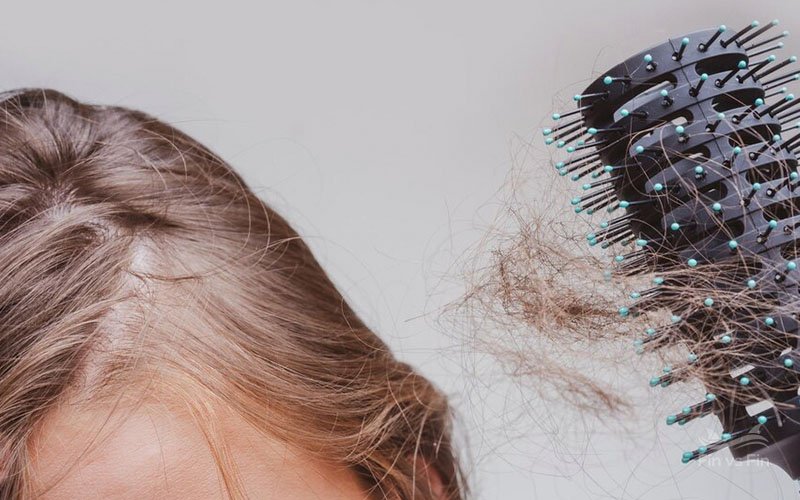
While collagen, biotin, and keratin can offer significant benefits for hair health, it is essential to be aware of their potential side effects and precautions. Understanding who should avoid these supplements or treatments can help you make informed decisions about their use.
Collagen
Possible side effects and precautions:
-
- Digestive issues (e.g., bloating, heartburn)
- Allergic reactions
- Hypercalcemia (in rare cases)
Who should avoid Collagen supplements:
-
-
- Individuals with fish, shellfish, or egg allergies (depending on the source of collagen)
- Pregnant or breastfeeding women (consult a healthcare provider)
-
Biotin
Possible side effects and precautions:
-
-
- Skin rashes
- Digestive upset
- Interference with lab test results
-
Who should avoid Biotin supplements:
-
-
- Individuals with a known allergy to biotin or any supplement ingredients
- People undergoing certain medical tests (consult a healthcare provider)
-
Keratin
Possible side effects and precautions:
-
-
- Scalp irritation
- Allergic reactions
- Hair dryness or brittleness (with excessive use)
- Exposure to formaldehyde (in some treatments)
-
Who should avoid Keratin treatments:
-
-
- Individuals with sensitive skin or scalp conditions
- Pregnant or breastfeeding women (consult a healthcare provider)
- Those allergic to ingredients in keratin products
-
Summary
Collagen, biotin, and keratin are popular supplements for addressing hair loss and promoting hair regrowth, each offering unique benefits. Collagen supports hair structure and scalp health, biotin enhances keratin production and cell growth for stronger hair, and keratin repairs and protects hair strands. While primarily effective for hair loss due to nutritional deficiencies, their impact on genetic and autoimmune hair loss varies.
Understanding the correct usage and potential side effects of these supplements is essential for safe and effective use. Collagen and biotin supplements should be taken consistently for optimal results, while keratin treatments should be used as recommended to avoid overuse. Being aware of possible side effects and who should avoid these supplements helps in making informed decisions. Ultimately, selecting the right supplement depends on individual needs and the specific causes of hair loss.
Frequently Asked Questions (FAQs)
Can you take biotin, collagen, and keratin together?
Yes, you can take biotin, collagen, and keratin together, but it’s best to consult with a healthcare provider to ensure proper dosage and avoid any potential interactions.
What is better for thinning hair: biotin or collagen?
Both biotin and collagen can be beneficial for thinning hair; biotin improves hair strength and thickness, while collagen supports overall hair structure and scalp health.
How long does it take to see results from collagen supplements?
It typically takes about 3-6 months of consistent use to see noticeable improvements in hair health from collagen supplements.
Are there any dietary restrictions when taking biotin supplements?
There are no specific dietary restrictions, but taking biotin with a meal can improve absorption.
Can keratin treatments damage hair?
Overuse of keratin treatments can lead to hair dryness and brittleness, so it’s important to follow recommended usage guidelines.
Methodology
We conduct extensive research to evaluate the pricing, effectiveness, accessibility, overall quality, and user experience of every telehealth service we review. This also includes examining and comparing each provider to comparable telemedicine alternatives. We also evaluate usability, treatments, prescription delivery time, and more to determine the best value for those seeking fast and reliable telehealth services.
Swipe or scroll to view all columns →
| Review Process | Key Metrics | Weighting |
|---|---|---|
| Sign up online | – ease of completing intake form – affordability – upfront commitment or subscription required? – money back guarantee or refund policy? | 0.5 |
| Virtual consult with provider / determine eligibility | – ease of getting appointment to determine eligibility – need to leave house for labs or other in-person care? | 1 |
| Shipping + unboxing | – shipping cost – time from order to treatment delivery – discreet packaging to maintain privacy | 0.5 |
| Test + journal for 1-3 months | – ease of application – transition into habitual use – taste / smell / feel / pain | 1.5 |
| Results after 3 months of use | – efficacy / results – lack of side effects – ease of refill / reordering – quality of ongoing clinical support – responsive customer support – willingness to recommend to a friend | 1.5 |