Key Takeaways
- Peptides offer a non-invasive, natural approach to promoting hair growth and combating hair loss.
- They stimulate hair follicles, reduce inflammation, and protect against follicle damage.
- Peptides can be effectively combined with other hair loss treatments like minoxidil or laser therapy.
- Available in various forms, including serums, shampoos, and injections, with different application methods suited to individual needs.
Peptides are emerging as a promising solution for those struggling with hair loss. In this article I will break down how peptides help with hair growth. As research advances, various hair growth peptides have shown potential in stimulating hair follicles, reducing inflammation, and promoting overall scalp health. Whether you're looking for the best peptide for hair growth or exploring different peptide-based treatments, these naturally occurring compounds offer a non-invasive option to combat thinning hair and promote regrowth. By understanding how these peptides work, you can take a proactive approach in incorporating them into your hair care routine to achieve the desired results.
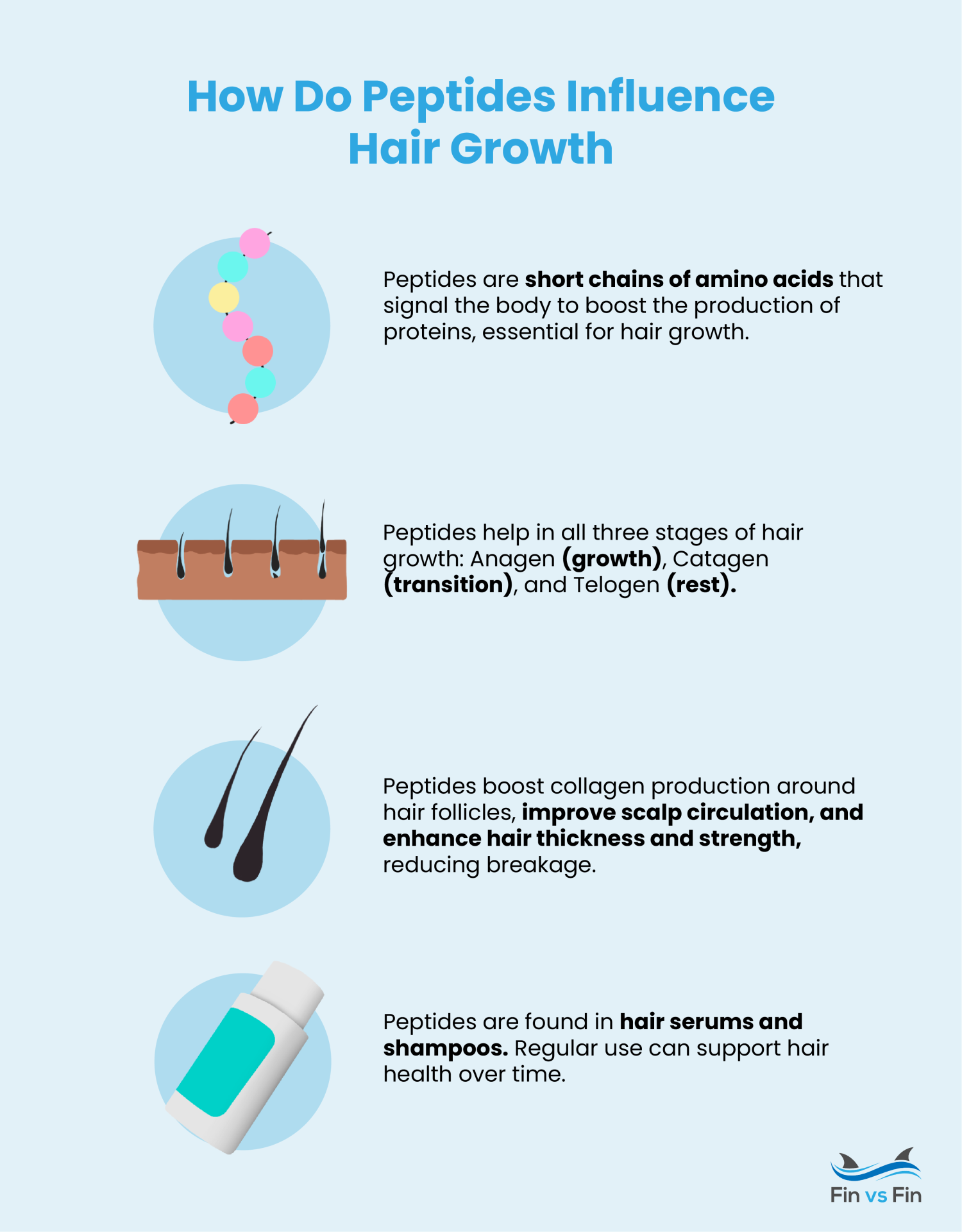
How Do Peptides Influence Hair Growth?
By directly interacting with hair follicles and the scalp environment, peptides can help address the underlying causes of hair loss, making them an essential part of modern hair care strategies.
What Are Peptides and How Do They Work?
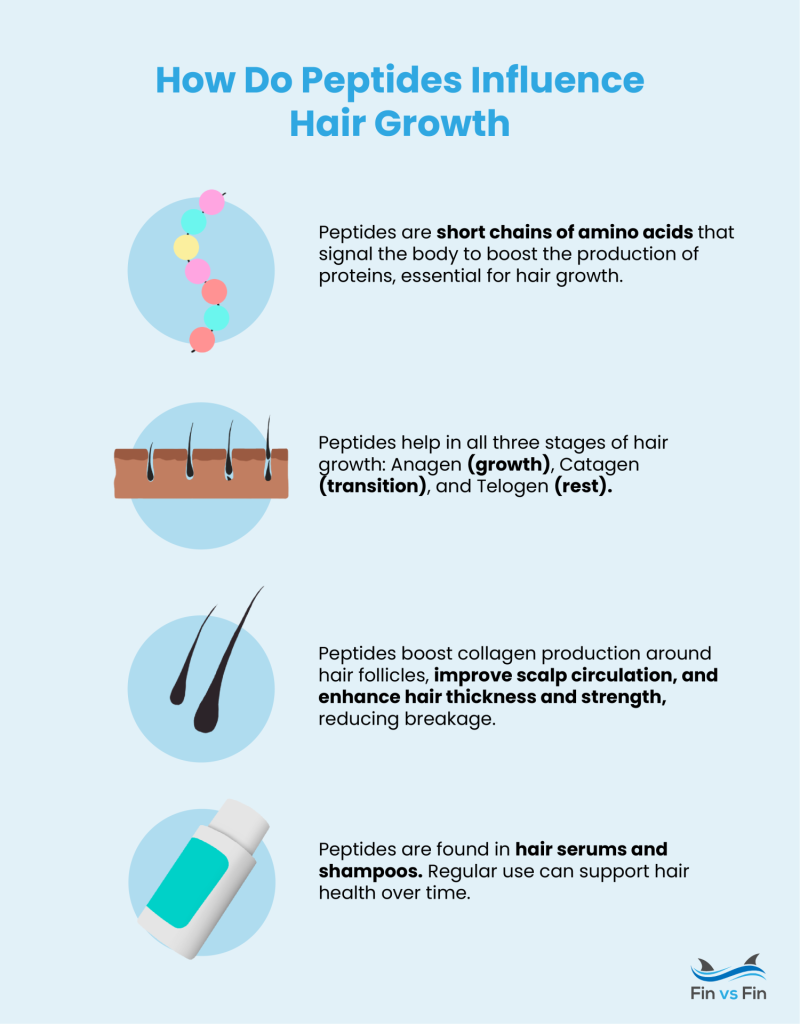
Peptides are essentially the building blocks of proteins, consisting of short chains of amino acids. In the context of hair growth, peptides act as signaling molecules that can influence cell behavior. When applied to the scalp, they bind to specific receptors on hair follicle cells, initiating a cascade of biological processes that promote hair growth, strengthen hair strands, and improve overall scalp health. This process involves stimulating collagen production, enhancing cell regeneration, and boosting blood circulation to the hair follicles.
Promoting Hair Follicle Health
The health of hair follicles is fundamental to maintaining thick, strong hair. Peptides contribute to this by enhancing blood flow to the scalp, which ensures that hair follicles receive the necessary nutrients and oxygen. This increased circulation helps extend the anagen (growth) phase of the hair cycle, allowing hair to grow longer and denser. Additionally, peptides can reinforce the hair shaft's structure, making it less prone to breakage and thinning.
Reducing Inflammation and Its Impact on Hair Loss
Inflammation is a significant contributor to various types of hair loss, including androgenetic alopecia and alopecia areata. Peptides possess anti-inflammatory properties that can soothe the scalp and reduce irritation. By calming the scalp, peptides help to prevent the inflammation that can lead to follicle damage and hair loss. This reduction in inflammation creates a more favorable environment for hair growth, addressing one of the root causes of hair loss.
Encouraging Hair Regeneration
Peptides are also known for their ability to promote hair regeneration. They can reactivate dormant hair follicles, pushing them back into the active growth phase. This is particularly beneficial for individuals experiencing thinning hair or bald patches, as it helps to restore hair density and improve coverage. Certain peptides, like GHK-Cu (Copper Peptides), are especially effective in combating oxidative stress, which contributes to hair aging and loss, thereby supporting hair regeneration.
Types of Hair Loss Peptides Help With
Peptides can be effective in treating various forms of hair loss, including androgenetic alopecia (pattern baldness), alopecia areata (patchy hair loss), and telogen effluvium (stress-induced hair loss). By addressing inflammation, promoting follicle health, and encouraging regeneration, peptides offer a versatile approach to tackling these common hair loss conditions.
Top Peptides for Hair Growth
Selecting the right peptides is essential for effectively combating hair loss and promoting healthy hair growth. The following categories highlight some of the best peptides for hair growth, each working through unique mechanisms to support and rejuvenate your hair.
1. Copper Peptides
Copper peptides are highly regarded in the hair care industry for their regenerative and anti-inflammatory properties. They play a crucial role in maintaining healthy hair follicles and promoting robust hair growth.
- GHK-Cu (Copper Peptide): GHK-Cu is a naturally occurring copper peptide that stimulates collagen production and enhances blood circulation to the scalp. This increased blood flow ensures that hair follicles receive essential nutrients and oxygen, promoting stronger and thicker hair. Additionally, GHK-Cu has potent anti-inflammatory and antioxidant properties, which protect hair follicles from damage and oxidative stress, thereby reducing hair shedding and promoting hair density.
- AHK-Cu (L-alanyl-L-histidyl-L-lysine-Cu²⁺): AHK-Cu promotes the formation of new blood vessels (angiogenesis) around hair follicles by increasing fibroblast activity and vascular endothelial growth factor (VEGF) production. This enhanced blood supply supports the elongation and health of hair follicles.
2. Growth Hormone Peptides
Growth hormone peptides support hair growth by enhancing overall cellular growth, tissue regeneration, and maintaining the health of hair follicles.
- Tesamorelin operates by increasing the levels of growth hormone in the body. Elevated growth hormone levels can positively influence hair growth by improving the health of hair follicles, enhancing cell proliferation, and increasing the production of proteins that are essential for hair structure and strength.
- GHRP-2 (Growth Hormone Releasing Peptide-2) enhances the secretion of growth hormone, which in turn supports cellular proliferation and tissue repair. In the context of hair growth, GHRP-2 helps maintain active hair follicles, reducing hair loss and encouraging the growth of new, strong hair strands. This peptide ensures that hair follicles remain in the growth phase for a longer duration, promoting sustained hair growth.
3. Collagen Peptides
Collagen peptides provide essential amino acids that support the structural integrity of hair follicles and improve overall hair health.
Bioactive collagen peptides supply the amino acids necessary for the production of keratin, the primary protein in hair. By strengthening the hair shaft, these peptides reduce breakage and improve hair texture. Additionally, they support scalp health by enhancing the extracellular matrix and improving hydration, creating an optimal environment for hair growth.
Hydrolyzed collagen peptides are broken down into smaller molecules for better absorption and utilization by the body. They provide the building blocks for hair proteins, reinforcing the structure of hair follicles and promoting the regeneration of healthy hair. These peptides also improve hair elasticity and strength, resulting in more resilient and vibrant hair.
Related reading: Collagen vs. Biotin vs. Keratin: Understanding the Differences for Hair Loss and Regrowth
4. Other Peptides
This category includes a variety of peptides that offer unique benefits for hair growth through different mechanisms.
- PTD-DBM (Protein Transduction Domain-Fused Disheveled Binding Motif): PTD-DBM activates the Wnt/β-catenin signaling pathway by inhibiting the interaction between CXXC5 and disheveled proteins. This activation promotes hair follicle development and regeneration, making PTD-DBM effective in treating androgenetic alopecia (pattern baldness) by increasing hair density and coverage.
- APN5: APN5 mimics adiponectin, a protein involved in metabolic processes, by binding to adiponectin receptors. This activation enhances blood supply to hair follicles, reduces inflammation, and stimulates hair regeneration.
- Thymosin Beta-4 (TB4): Thymosin Beta-4 is an actin-sequestering peptide that promotes cell motility, wound healing, and angiogenesis. For hair growth, TB4 stimulates the active phase of the hair cycle, enhances VEGF production for better blood vessel formation around hair follicles, and supports stem cell migration to the follicle base. These actions collectively accelerate hair growth and improve follicle health, especially in conditions like alopecia areata.
- Biotin Peptides: Biotin peptides deliver essential B vitamins directly to hair follicles, strengthening hair strands and improving hair texture. They help prevent hair breakage and support overall hair health by providing the necessary nutrients for robust and resilient hair growth.
Each of these peptides offers distinct benefits for hair growth, addressing various aspects such as follicle health, inflammation, blood circulation, and cellular regeneration. By understanding and utilizing these top peptides, individuals can effectively combat hair loss and support the growth of healthier, stronger hair.
Benefits of Using Peptides for Hair Growth
After doing the research, the evidence confirms peptides offer a natural, non-invasive solution for promoting hair growth. They work through a multifaceted approach by stimulating hair follicle health, reducing inflammation, and protecting follicles from damage. This comprehensive action makes peptides an effective option for those seeking to improve hair density and quality. Additionally, peptides can be combined with other treatments like minoxidil or laser therapy to enhance overall results
How to Use Peptides For Hair Loss
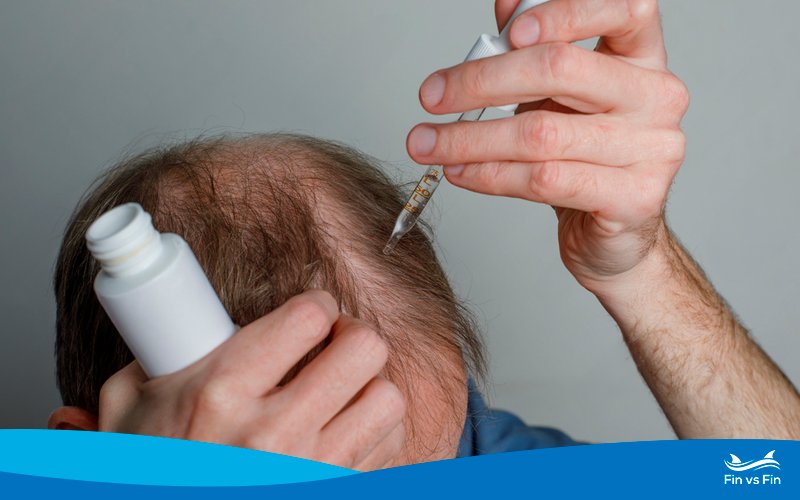
Application Options: You can integrate peptides into your hair care routine through topical applications such as serums and peptide-infused shampoos. Additionally, injecting peptides directly in your scalp is another way to use peptides for hair growth.
Usage Recommendations: Consistency is key; using peptide products daily or as directed is essential. It typically takes 3-6 months of regular use to see noticeable improvements.
Precautions: While peptides are generally safe, some users might experience mild scalp irritation. Starting with a patch test is advisable, especially if you have sensitive skin or scalp conditions. Consulting with a healthcare provider before starting is also recommended.
Side Effects of Peptides for Hair Growth
- Scalp Irritation: Mild redness, itching, or discomfort on the scalp, especially in those with sensitive skin.
- Allergic Reactions: Rare but possible, involving symptoms such as swelling, rash, or hives after peptide application.
- Dryness or Flaking: Some peptides may cause the scalp to become dry or flaky with prolonged use.
- Increased Hair Shedding: An initial increase in hair shedding can occur when starting peptide treatments, usually temporary as the hair cycle adjusts.
- Hormonal Imbalances: Certain peptides, especially those that influence growth hormone levels, could potentially affect hormone balance, leading to side effects like acne or changes in appetite.
- Systemic Side Effects: Rarely, peptides absorbed into the bloodstream can cause systemic effects like low blood pressure, headaches, dizziness, or nausea, particularly with improper use or high doses.
Conclusion
Peptides present a promising, natural solution for promoting hair growth and addressing hair loss. Their ability to stimulate hair follicles, reduce inflammation, and protect against damage makes them a versatile and effective option. By incorporating peptide-infused products into your hair care routine and staying consistent, you can enhance hair density and quality over time. However, it’s essential to be mindful of potential side effects and consult with a healthcare provider if you have any concerns.
Frequently Asked Questions (FAQs)
Where to get peptides for hair loss?
Peptides for hair loss can be purchased from specialized online retailers, clinics, or pharmacies. Ensure you buy from reputable sources to guarantee product quality and safety.
Can peptides be used with other hair loss treatments?
Yes, peptides can be combined with other treatments like minoxidil or laser therapy for enhanced results, offering a comprehensive approach to managing hair loss.
How long does it take to see results with peptides?
It typically takes 3-6 months of consistent use to see noticeable improvements in hair growth and quality when using peptides.
Are peptides prescription?
Peptides are available over-the-counter (OTC) in forms such as serums, shampoos, and topical treatments. However, for peptide injections, you should visit a dermatology clinic, where they can be administered under professional supervision.
Methodology
We conduct extensive research to evaluate the pricing, effectiveness, accessibility, overall quality, and user experience of every telehealth service we review. This also includes examining and comparing each provider to comparable telemedicine alternatives. We also evaluate usability, treatments, prescription delivery time, and more to determine the best value for those seeking fast and reliable telehealth services.
Swipe or scroll to view all columns →
| Review Process | Key Metrics | Weighting |
|---|---|---|
| Sign up online | – ease of completing intake form – affordability – upfront commitment or subscription required? – money back guarantee or refund policy? | 0.5 |
| Virtual consult with provider / determine eligibility | – ease of getting appointment to determine eligibility – need to leave house for labs or other in-person care? | 1 |
| Shipping + unboxing | – shipping cost – time from order to treatment delivery – discreet packaging to maintain privacy | 0.5 |
| Test + journal for 1-3 months | – ease of application – transition into habitual use – taste / smell / feel / pain | 1.5 |
| Results after 3 months of use | – efficacy / results – lack of side effects – ease of refill / reordering – quality of ongoing clinical support – responsive customer support – willingness to recommend to a friend | 1.5 |