Key Takeaways
- Hair loss presents differently, and can have different causes, depending on the individual.
- Regardless of the sex you were assigned at birth, your hair responds to the dominant hormone in your body.
- Male pattern hair loss is caused by a specific subtype of testosterone, not directly by high or low overall testosterone levels.
You may have heard the myth that an excess of testosterone in assigned males is the cause of thinning hair. But, the truth is more complicated.
The fact is that the most common form of hair loss, which is androgenic alopecia or pattern hair loss, can have many causes, including a sensitivity to a specific type of hormone called dihydrotestosterone (DHT).
TRT alone can make male pattern baldness (MPB) worse, but pairing it with a hair loss medication like finasteride can lessen that impact.
In this article, we’ll walk you through everything you need to know about the relationship between hair loss and TRT.
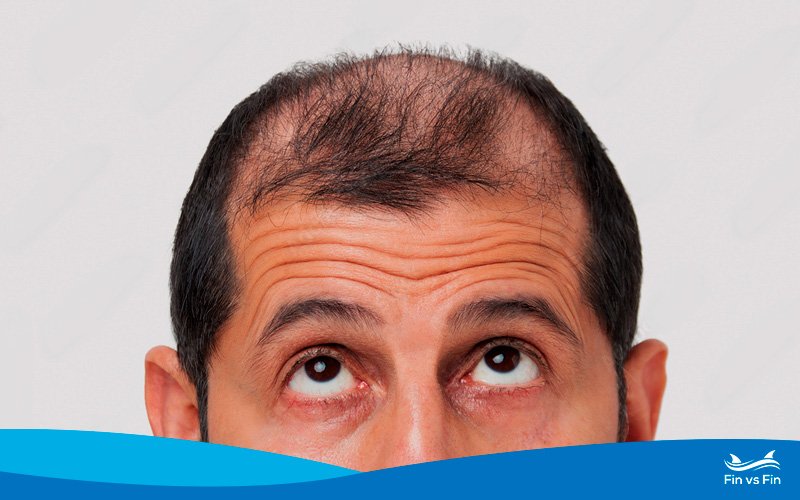
Understanding Hair Loss and Testosterone
First off, let’s clear up the basics around how testosterone affects hair loss. The cause of most cases of hair loss isn’t low or high testosterone. Instead, it’s a genetic sensitivity to a specific subtype of testosterone called dihydrotestosterone (DHT). In people with androgenic alopecia, certain follicles respond to dihydrotestosterone by shrinking until they can no longer produce hair. That’s what causes the familiar horseshoe-type pattern.
Even though this type of hair loss is called male pattern baldness, hair loss can actually affect anyone. But, female pattern hair loss is more likely to be spread across the scalp and may be caused by nutrient deficiencies, stress, other non-hormonal causes, and more.
Is Hair Loss a Sign of Low Testosterone?
Hair loss is not usually a sign of low testosterone. Since most hair loss is caused by an oversensitivity to a specific subtype of testosterone, thinning hair is actually a good sign that testosterone is impacting your body (just not in the way you want it to).
If your dominant sex hormone is estrogen and you’re experiencing hair loss, you may actually have a deficiency of progesterone, which prevents testosterone from converting into DHT.

Does TRT Directly Cause Hair Loss?
Testosterone replacement therapy is a medical process in which folks with low testosterone supplement their hormone levels with injections, patches, or gel. As you might guess, the relationship between TRT and hair loss is a bit tricky.
If you went through testosterone-influenced puberty, you probably remember thin, scraggly hair on your body and face becoming thicker and longer with time. That might lead you to believe that the opposite effect (thinning hair) must have the opposite cause (decreasing testosterone). But the true cause of male pattern hair loss is an inherited oversensitivity to dihydrotestosterone, not an overall lack of testosterone.
That means that if you’re already experiencing hair loss, raising testosterone levels in your body through TRT might actually make things worse, especially if you rapidly increase your dose. That’s why some trans men who start testosterone therapy experience male pattern hair loss for the first time.
Related reading: Best TRT Online: How to Get Testosterone Therapy Online
Personal Experiences and Community Insights
As the science suggests, people who try TRT have varied experiences with hair loss based on their genetics and situation. Some individuals may see pre-existing hair loss worsen on TRT, while others felt their hair was thicker than ever.
I'm in my 40s...☆☆☆☆☆ElesJuanFTW Read More “I'm in my 40s, been on TRT for 7ish months and have no issues with thinning or hair loss. I have a full head of hair, great hairline and maybe like 3 gray hairs. I expected something to change but nothing did.” For me TRT...☆☆☆☆☆Plexilk Read More “For me TRT ended up thickening it. I was afraid of going bald but the opposite occurred and now I experience more hair growth on my body and head.” Bro. I started TRT...☆☆☆☆☆College_Debt_Bubble Read More “Bro. I started TRT 6 years ago. Read all the fear mongering against Fin and never took it. Four years later I was thinning and thinning FAST. Finally in year 5 I started Fin and Minoxidil to get my hair back. Finasteride alone stopped further loss.” I saw moderate-heavy...☆☆☆☆☆IndependentBaseball3 Read More “I saw moderate-heavy hair loss in the few years leading up to my TRT (ages 22-26), and expected the rate of hairfall to increase as I started testosterone. It did ever so slightly, so I had a graft transplant done to the frontal/top area of my head. Sure, I will continue to lose my hair native to that area, but I bought myself another 10+ years.”
Preventing Hair Loss While on TRT
Unfortunately, trying TRT can be a bit like taking a gamble with your hair, but there are ways to tip the odds in your favor:
- Medications: The daily oral pill finasteride specifically blocks testosterone from converting into DHT, making it the best way to prevent hair loss on TRT. You can also help regrow hair with topical treatments like minoxidil, also known as Rogaine.
- Supplements: If you think your hair loss might be caused by nutritional deficiencies, supplements like biotin may help replace what you’re missing.
- Dietary changes: Not a fan of supplements? You can increase your intake of biotin the old-fashioned way by consuming more eggs, milk, or bananas.
- Regular check-ups: No matter how you’re treating your hair loss, keep in touch with your doctor while taking TRT. They’ll likely request periodic blood tests to make sure your hormone levels are appropriate.
Be sure to speak with your healthcare provider about the best way you can prevent hair loss while on TRT.
Related reading: 14 Ways to Get Thicker Hair Using Natural and Scientifically-Proven Methods
Is Hair Loss From Testosterone Reversible?
Once a hair follicle dies off, there’s no bringing it back. If you take a low dose of testosterone for a short amount of time, you’ll probably be able to regrow your hair. Medications can help you keep or regrow hair as well, but there’s always a risk of permanent hair loss when you take TRT.
Frequently Asked Questions (FAQs)
Does TRT increase DHT?
In most cases, yes. The more testosterone is in your body, the more of it can be converted to DHT, the hormone responsible for male pattern hair loss. You can prevent testosterone from converting into DHT by taking finasteride.
How do I know if my testosterone is low?
Symptoms of low testosterone include decreased energy, depressed mood, and weaker muscles and bones. It’s normal for testosterone levels to decline as you age, so keep an eye on your health even if you feel fine now.
How can I increase my testosterone level for hair growth?
Testosterone replacement therapy will increase your testosterone level, but doing so may actually speed up your hair loss if your body converts it into DHT. You may be able to prevent that by taking finasteride.
Can you take finasteride on TRT?
Yes. In fact, taking finasteride is the easiest way to prevent hair loss on TRT. Be sure to speak with your healthcare provider first to ensure that this treatment is appropriate for your needs.
Does TRT affect a hair transplant?
If you get a hair transplant and then go on TRT, the testosterone won’t affect the transplanted hair, but it will affect the rest of your hair.
Does testosterone make your hair thicker?
Your mileage may vary on this one. Some may find their hair gets thicker on TRT. On the other hand, the more testosterone is in your body the more potential there is for it to be converted to DHT, so if you’re sensitive to DHT, testosterone won’t make your hair thicker and may even have the opposite effect.