Key Takeaways
- A well-planned vegan diet rich in essential nutrients like protein, iron, B12, and omega-3s is key to preventing hair loss.
- Consider fortified foods or supplements for nutrients that are harder to obtain from a vegan diet, especially B12 and vitamin D.
- If hair loss persists despite dietary changes, consult a healthcare professional to explore medical and dietary solutions.
- Nutritional adjustments and hair regrowth can take several months, so patience and consistency are essential.
Switching to a vegan lifestyle comes with many health benefits, but it can also bring some unexpected challenges, like hair loss. While this issue isn't exclusive to those on a plant-based diet, it's important to understand why it might happen and how to address it. By focusing on the right nutrients and hair care practices, you can keep your hair strong and healthy while sticking to your vegan values. In this article, I'll explore the common causes of vegan hair loss, the nutrients your hair needs, and practical tips for maintaining healthy hair on a vegan diet.
Understanding Vegan Hair Loss: Causes and Concerns
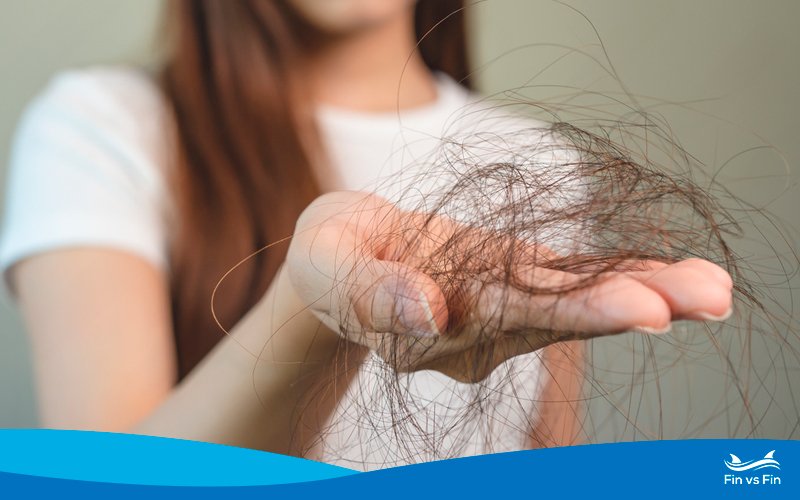
Hair loss can be a concern for anyone, but those following a vegan or vegetarian diet may notice it more acutely. While a plant-based diet offers many health benefits, it can also lead to specific nutritional deficiencies that might contribute to hair thinning and shedding. Understanding the root causes of vegan hair loss is crucial for finding the right solutions.
One of the primary concerns is the lack of certain nutrients that are typically abundant in animal products. For example, proteins, iron, zinc, and vitamins like B12 are essential for maintaining healthy hair. A vegan diet, if not carefully planned, might fall short in providing these key nutrients, leading to weakened hair follicles and increased shedding. Additionally, lower levels of essential fatty acids and amino acids—critical building blocks for hair—can also contribute to hair loss.
Another factor to consider is the overall calorie intake. A vegan diet can sometimes be low in calories if not managed properly, which may lead to inadequate energy availability for non-essential processes like hair growth. Stress, both physical and emotional, linked to dietary changes or lifestyle adjustments can also play a role in hair thinning for vegans and vegetarians.
Nutrient Deficiencies Linked to Vegan Hair Loss
When it comes to hair health, specific vitamins and minerals are essential for maintaining strong and vibrant hair. For those on a vegan diet, it's important to be mindful of potential nutrient deficiencies that could lead to hair loss.
Key Vitamins and Minerals Vegans Might Lack
- Vitamin B12: Primarily found in animal products, B12 is crucial for red blood cell production and oxygen delivery to hair follicles. A deficiency can lead to hair thinning and shedding due to reduced oxygen supply to the scalp. To ensure an adequate daily intake of at least three micrograms (mcg or µg) of vitamin B12, vegans should incorporate fortified foods into their diet two or three times a day.
- Iron: Iron is vital for producing hemoglobin, which transports oxygen in the blood. Plant-based iron is less easily absorbed by the body, leading to a higher risk of anemia—a condition that can cause hair loss due to insufficient oxygen reaching the hair follicles.
- Zinc: Zinc plays a key role in hair tissue growth and repair. It also helps maintain the proper function of the oil glands around the hair follicles. A deficiency in zinc can result in hair thinning and increased shedding.
- Vitamin D: Although not exclusive to vegans, a lack of vitamin D, which is essential for hair follicle cycling, can also be common among those on a plant-based diet. Low levels of vitamin D can lead to hair loss or slower hair growth.
- Omega-3 Fatty Acids: These essential fatty acids, which are more abundant in fish than in plant sources, are crucial for scalp health and hair hydration. A deficiency can lead to dry, brittle hair and potentially contribute to hair loss.
The Role of Protein in Hair Health
Protein is the building block of hair, making it a crucial nutrient for anyone looking to maintain healthy hair. Many vegans may struggle to consume enough high-quality protein if they don’t include a variety of plant-based protein sources in their diet. Hair is made up of keratin, a type of protein, and without adequate protein intake, hair growth can slow down, leading to weaker and more brittle strands that are prone to breakage.
Related reading:
- Collagen vs. Biotin vs. Keratin: Understanding the Differences for Hair Loss and Regrowth
- Top Peptides for Hair Loss: Effective Solutions for Thicker Hair
Best Vegan Sources for Hair Growth Nutrients
Maintaining a well-balanced vegan diet rich in essential nutrients is key to promoting healthy hair growth and preventing hair loss. Below are some of the best plant-based sources of vital hair growth nutrients, along with tips to ensure your diet supports strong and healthy hair.
Plant-Based Sources of Essential Hair Growth Nutrients
Protein
- Legumes (beans, lentils, chickpeas) are excellent sources of plant-based protein.
- Quinoa and amaranth are complete proteins, meaning they contain all nine essential amino acids.
- Nuts and seeds (almonds, chia seeds, flaxseeds) provide both protein and healthy fats.
Iron
- Dark leafy greens like spinach, kale, and Swiss chard are rich in iron.
- Legumes and fortified cereals also provide significant amounts of iron.
- Pairing iron-rich foods with vitamin C sources like citrus fruits or bell peppers can enhance iron absorption.
Vitamin B12
- Fortified plant-based milks and cereals are common vegan sources of B12.
- Nutritional yeast is another good option that’s often fortified with B12.
- Consider a B12 supplement if you struggle to get enough from food sources.
Zinc
- Pumpkin seeds, hemp seeds, and cashews are great sources of zinc.
- Whole grains like oats and brown rice also contribute to your zinc intake.
- Including zinc-rich foods regularly in your diet can help maintain healthy hair growth.
Vitamin D
- Mushrooms (especially those exposed to sunlight) can provide vitamin D.
- Fortified plant-based milks and juices often contain added vitamin D.
- Spending time in sunlight can also help your body produce vitamin D naturally.
Omega-3 Fatty Acids
- Flaxseeds, chia seeds, and walnuts are excellent plant-based sources of omega-3s.
- Algal oil is a vegan-friendly supplement derived from algae that provides DHA and EPA, the same omega-3s found in fish.
Tips for Balanced Vegan Nutrition to Prevent Hair Loss
- Diversity is Key: Incorporate a wide variety of fruits, vegetables, grains, legumes, nuts, and seeds into your diet to ensure you get all the essential nutrients your hair needs.
- Consider Fortified Foods and Supplements: Fortified foods can help fill gaps in nutrients like B12 and vitamin D, which are harder to obtain from a vegan diet alone. Supplements may also be necessary, particularly for vitamin B12.
Related reading: Wellbel vs. Nutrafol vs. Viviscal – Which Works Best for Women’s Hair Loss?
- Pair Nutrients for Better Absorption: For example, combine iron-rich foods with vitamin C sources to boost iron absorption, or pair vitamin D-rich foods with healthy fats to enhance absorption.
- Regular Health Checks: Periodically check your nutrient levels, especially for B12, iron, and vitamin D, to ensure you’re meeting your body’s needs. Early detection of deficiencies can help you make dietary adjustments before they affect your hair.
When to Seek Professional Help: Vegan Hair Loss Solutions
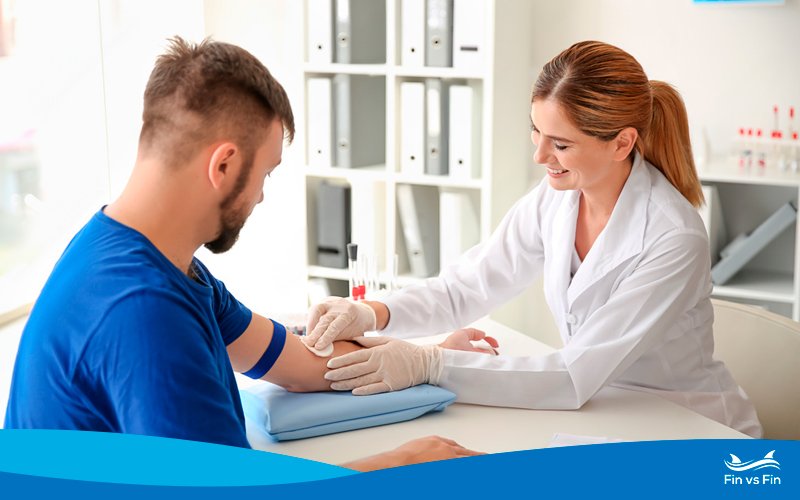
While adjusting your diet can often resolve hair loss issues, there are times when professional help is necessary. If you notice persistent or severe hair thinning, bald patches, or significant shedding despite making dietary changes, it might be time to consult a doctor or trichologist. These specialists can run tests to identify any underlying deficiencies or health issues contributing to hair loss.
Medical and Dietary Solutions for Reversing Vegan Hair Loss
Professionals may recommend blood tests to check for deficiencies in key nutrients like iron, B12, and vitamin D. Based on the results, they might suggest supplements, dietary adjustments, or even topical treatments to stimulate hair growth. In some cases, medications or specialized hair care treatments might be needed to address more severe conditions. Working with a healthcare provider ensures you get a personalized plan to restore hair health while maintaining your vegan lifestyle.
Conclusion
Hair loss on a vegan diet can be a concern, but with the right approach, it’s manageable. We’ve explored the common causes of vegan hair loss, highlighting the importance of key nutrients like protein, iron, B12, zinc, and omega-3s. By incorporating diverse, nutrient-rich plant-based foods into your diet, and staying vigilant about potential deficiencies, you can maintain strong, healthy hair. If issues persist, seeking professional help can provide tailored solutions to address and reverse hair loss while continuing to embrace your vegan lifestyle.
Frequently Asked Questions (FAQs)
Is it common for new vegans to experience hair loss?
Some new vegans may experience hair loss as their body adjusts to the diet, particularly if there’s a sudden drop in calorie or nutrient intake. This can often be mitigated by careful meal planning.
Are plant-based hair products better for preventing hair loss?
Plant-based hair products can be gentler on the scalp and free from harsh chemicals, but they don’t directly prevent hair loss. The key is maintaining a nutrient-rich diet.
Can stress from transitioning to a vegan diet cause hair loss?
Yes, stress—whether from dietary changes or lifestyle adjustments—can contribute to hair loss. Managing stress through relaxation techniques and a well-rounded diet can help.
How long does it take to see improvements in hair health after addressing deficiencies?
Improvements in hair health can take several months, as hair growth cycles are slow. Consistent nutrient intake and hair care are crucial for long-term results.
Can hair loss be reversed once the deficiencies are corrected?
In many cases, hair loss can be reversed once nutrient deficiencies are corrected, but it may take time and consistent dietary changes to see full regrowth.